


Anker SOLIX C1000 Gen 2: The Right Power Station for Weekend Campers?
Buying guide to the Anker SOLIX C1000 Gen 2: 1024 Wh LiFePO4, 2000 W inverter, 49-minute AC charging. Who it fits in a van or camper, and who needs more.
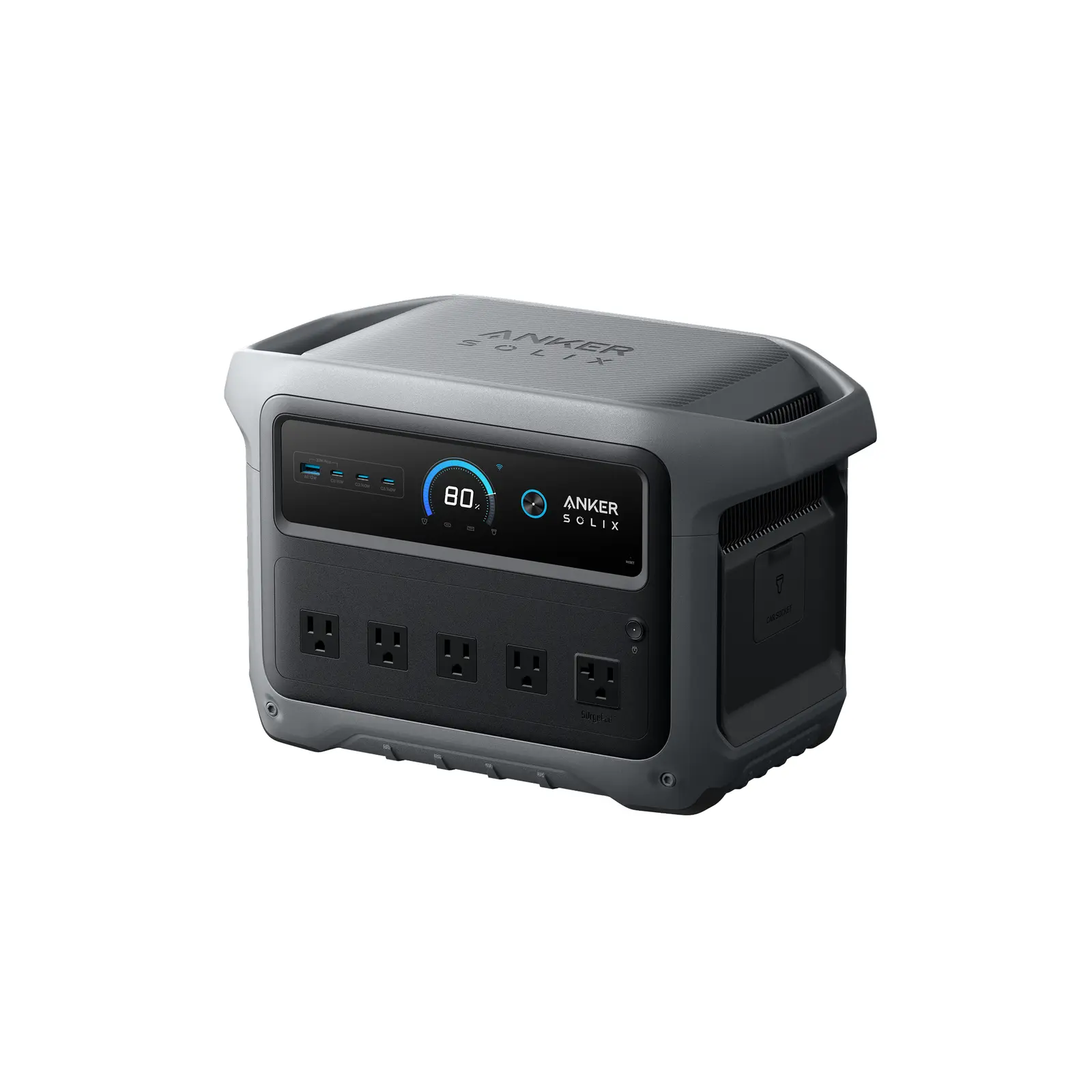
There is a large group of camper owners that the DIY electrics scene mostly ignores: people who sleep in the van maybe six to ten weekends a season. A roof tent, a small camper, a converted estate car. They need to charge phones and a laptop, run LED lights, maybe keep a compressor cool box going overnight. They do not want to crimp lugs, size fuses, or bolt a 50 kg battery bank to the floor for full-time off-grid living they will never do.
For that profile, an all-in-one portable power station is usually the better answer than a built-in system. The Anker SOLIX C1000 Gen 2 is one of the strongest current candidates in exactly that class: 1024 Wh of LiFePO4 capacity, a 2000 W pure sine inverter, and an AC recharge time Anker specifies at about 49 minutes. This is a researched buying guide, not a hands-on test — we have not had the unit on our own bench. The specs below come from Anker's published data, and performance claims are attributed to named independent reviews where we cite them.
First question: is a portable station the right category at all?
If you have not settled that question yet, start with our full comparison of portable power stations vs. built-in systems. The short version: that comparison identifies occasional and weekend use in the 500–1000 Wh/day range as the case where a portable station clearly wins over building a system — no installation, no certification questions, and the battery comes home with you between trips. This post assumes you have landed in that camp and answers the narrower question: which specific unit.
Why this unit fits the weekend niche
Three things make the C1000 Gen 2 interesting for occasional campers specifically.
It is actually portable. At roughly 11.3 kg, one person carries it from the garage to the tailgate without ceremony. Many stations in the 1 kWh class weigh 12–13 kg; the 2 kWh class starts around 20 kg and stops being a casual one-hand item.
You never wait for it. Anker's "HyperFlash" AC charging pulls up to 1600 W from a wall outlet and takes the unit from empty to full in about 49 minutes — a figure Anker markets as record-setting for this power-station class. We have no independent verification of the exact number, but even at rough face value it changes how you use the device: charge it while you pack the car, not the night before.
1024 Wh covers the realistic weekend load. Phone and laptop charging, LED lighting, and a small compressor fridge together typically land somewhere between 400 and 700 Wh per day. That is one to two days of autonomy between charges, more if you add solar.
Spec walkthrough
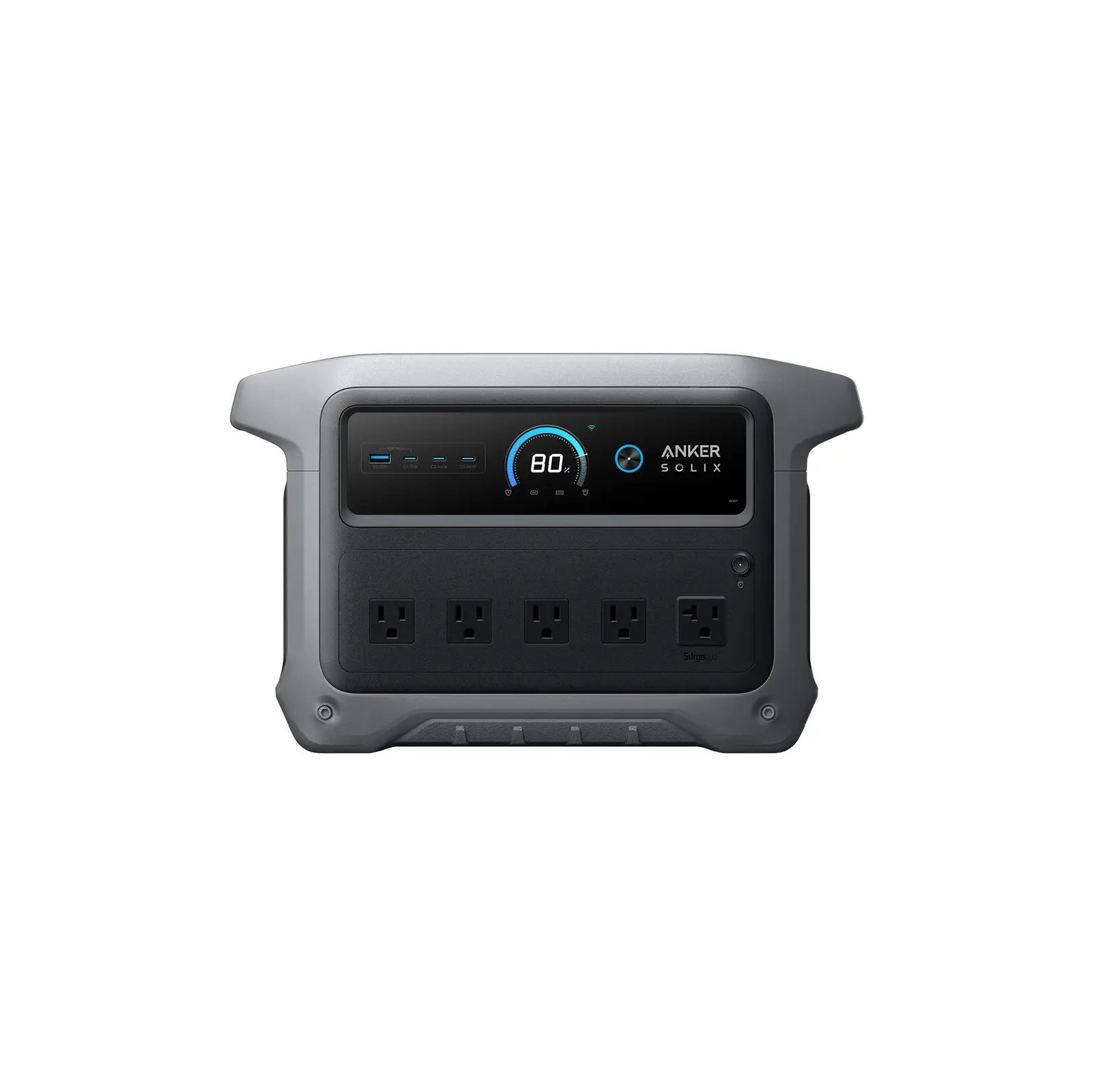 Photo: Anker
Capacity: 1024 Wh, LiFePO4. Lithium iron phosphate is the right chemistry for this job — thermally stable and far more cycle-tolerant than the NMC cells older power stations used.
Inverter: 2000 W continuous, 3000 W surge, pure sine. 2000 W runs almost any single appliance you would plausibly bring camping: induction plate on a medium setting, coffee machine, e-bike charger, travel kettle. Be realistic about stacking, though. A residential fridge plus another heavy load at the same time is not what this inverter — or this battery size — is for. A 2000 W draw empties 1024 Wh in about half an hour.
AC charging: up to 1600 W, roughly 49 minutes to full. Anker's headline claim, covered above. Note that 1600 W is a real load on a campsite hookup; most units let you cap the input in the app if the site's breaker is small.
Solar: up to 600 W input. In good sun that means a full recharge in about 1.8 hours. In practice, two folding 200 W panels are a common pairing and still recharge a day's consumption comfortably over a morning.
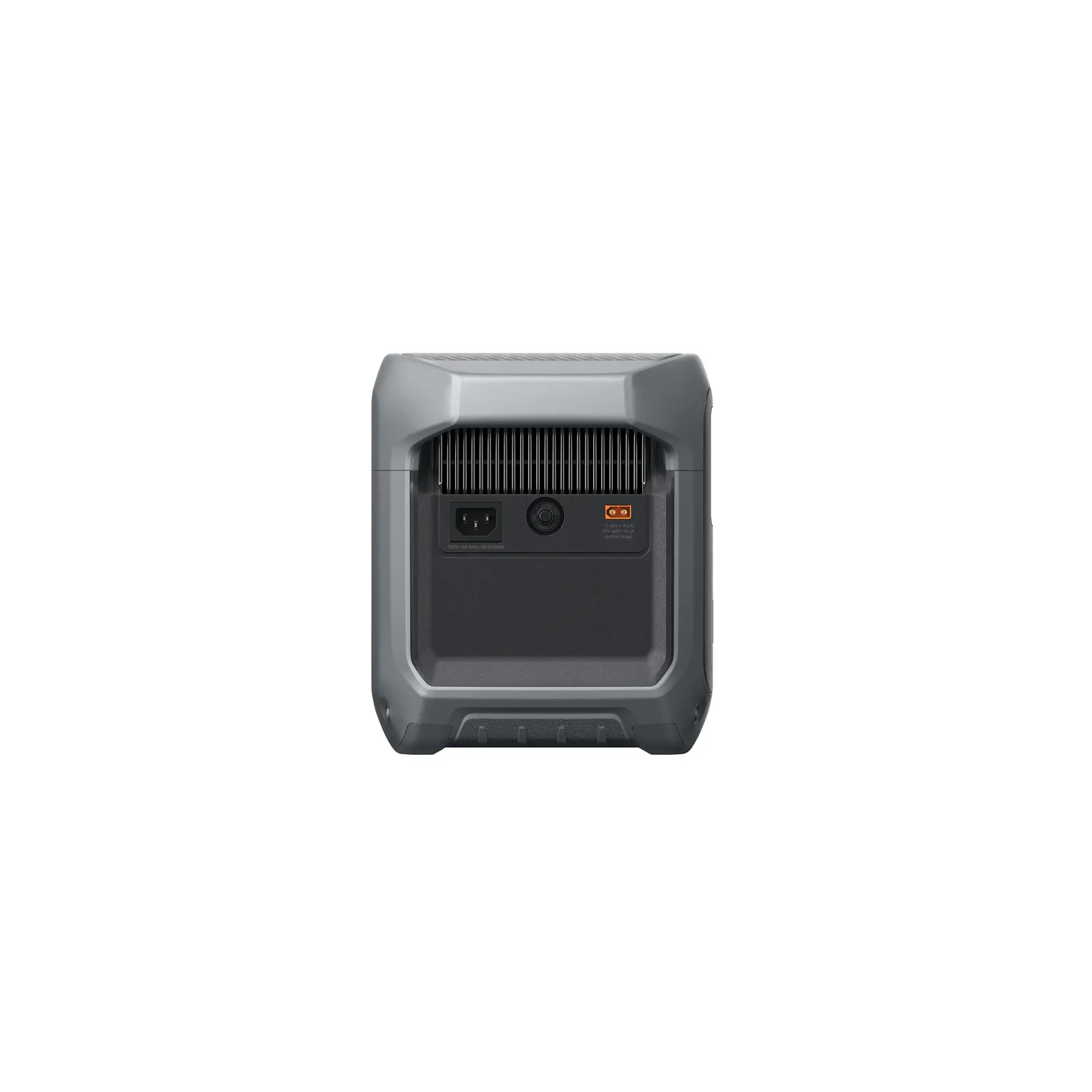 Photo: Anker
Cycle life: 4000 cycles to 80% remaining capacity. Anker markets this generation as built for about 10 years of daily use. For a weekend user cycling it perhaps 40 times a year, cycle life is effectively a non-issue — the electronics will age out before the cells do.
UPS switchover: 10 ms. Fast enough that a laptop, router, or CPAP machine plugged through the unit rides through a power cut without noticing. That gives the station a second life at home between trips, which matters for the value calculation.
Who it is not for
Be honest with yourself about consumption before buying. If you live in the van and burn through more than roughly 800–1000 Wh every day, this unit becomes a treadmill: you will spend your trips managing charge instead of ignoring it. That reader needs either a substantially bigger all-in-one — EcoFlow's DELTA Pro 3, for instance — or a properly built system, and should go back to the comparison post linked above.
The same applies if you want dedicated 12V circuits: a permanently wired fridge, water pump, and lighting running from a distribution panel. A power station gives you AC outlets, USB ports, and a car socket. It does not replace a 12V installation, and pretending otherwise leads to extension-cord spaghetti.
What independent reviewers say
MacRumors reviewed the unit under the title "Anker Solix C1000 Gen 2 is a Mid-Size Power Station With Fast Charging" and confirmed the core pitch: a mid-size station whose standout feature is how quickly it refills from the wall (full review). Other tech outlets that have handled it land in the same place — the fast AC charging and the weight are the differentiators; the rest of the spec sheet is competitive rather than exceptional.
Specs at a glance
| Spec | Anker SOLIX C1000 Gen 2 |
|---|---|
| Capacity | 1024 Wh (LiFePO4) |
| AC output | 2000 W continuous / 3000 W surge, pure sine |
| AC charge time | ~49 min at up to 1600 W (Anker claim) |
| Solar input | up to 600 W (~1.8 h to full in good sun) |
| Cycle life | 4000 cycles to 80% capacity |
| Weight | ~11.3 kg |
| UPS switchover | 10 ms |
Price and availability
The list price in Germany is roughly €769, but that number is close to fiction in practice: Anker discounts this unit constantly, and street prices around €549–649 show up regularly on Amazon. Pricing in USD and GBP follows a similar pattern. Do not anchor on any single figure — check what the Anker SOLIX C1000 Gen 2 costs today, and if it is sitting at list price, waiting a few weeks usually pays off. The same listing (identical ASIN, identical hardware) is sold on amazon.de, amazon.com, amazon.co.uk, amazon.fr, amazon.es and amazon.it.
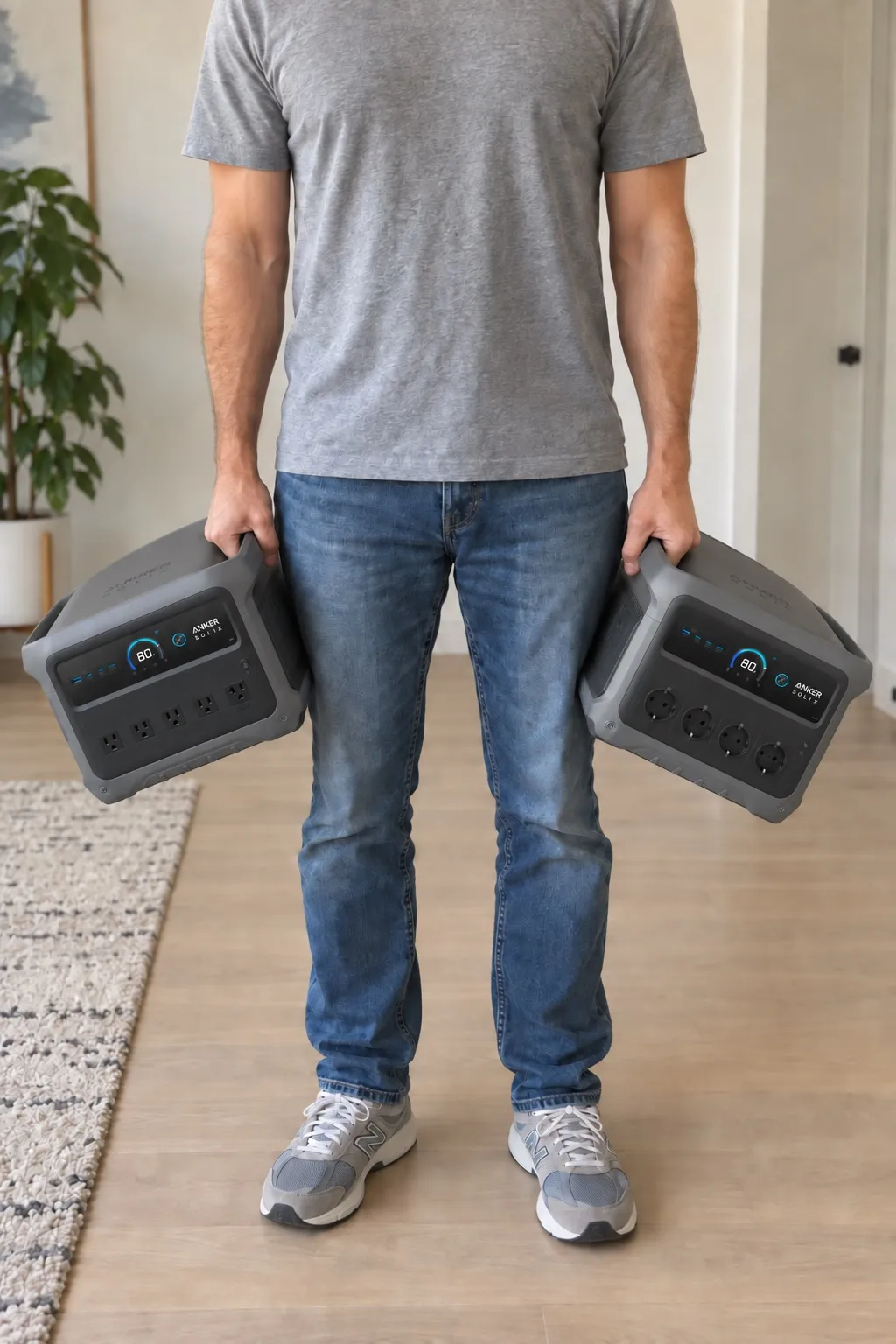 Photo: Anker
Verdict
If you camp on weekends, your daily consumption sits under about 800 Wh, and you have no intention of wiring anything: buy the Anker SOLIX C1000 Gen 2, preferably on one of its frequent discounts. The combination of 11.3 kg, LiFePO4 cells, a genuinely useful 2000 W inverter, and sub-hour AC charging fits the occasional-use profile better than anything that asks you to pick up a crimping tool. Full-timers and high-consumption users should look at bigger units or a built system instead.
Before you buy: do the arithmetic once
The single most common power-station mistake is buying on gut feeling instead of a consumption number. Spend five minutes with our battery bank sizer, add up your actual devices and hours of use, and check whether your real daily Wh lands inside what 1024 Wh can carry.
Frequently Asked Questions
How many days does 1024 Wh realistically last on a weekend trip?
A typical light load — phone and laptop charging (~100 Wh), LED lighting (~30 Wh), and a 40 L compressor cool box (~300–400 Wh per day in moderate weather) — totals roughly 450–550 Wh per day. That is close to two full days per charge. Add a 200 W folding solar panel and a sunny pitch, and a long weekend without any hookup is unproblematic.
Can it run a compressor fridge overnight?
Yes, comfortably. A small compressor fridge or cool box averages 30–50 W once the interior is cold, which works out to 250–400 Wh over eight hours — a quarter to a third of the battery. Run the fridge from the 12V car socket rather than the AC inverter where possible; skipping the DC-AC-DC conversion saves meaningful energy overnight.
Can I recharge it from the car's 12V socket while driving?
Yes, via the car charging input on the rear panel — but manage expectations. A standard 12V socket delivers around 100–120 W, so a full recharge from empty takes the better part of a long driving day. Treat car charging as a top-up between sites, not the primary charging method. The wall outlet at home (about 49 minutes to full, per Anker) and solar on site do the heavy lifting.
Is it worth it over a cheap inverter plus a spare car battery?
For this use case, almost always. A lead-acid starter battery offers perhaps 300–400 usable Wh before you damage it, has a cycle life in the low hundreds, and the DIY combination gives you no battery management, no fast charging, no solar controller, and no UPS function. The power station costs more upfront but bundles LiFePO4 cells rated for 4000 cycles, a pure sine inverter, and all charging electronics in one 11.3 kg box that also earns its keep at home as backup power.
This article was created with the assistance of AI.
Ready to Design Your Electrical System?
Use VoltPlan's free electrical system designer to turn these concepts into reality.
Start Your Project