


 In library
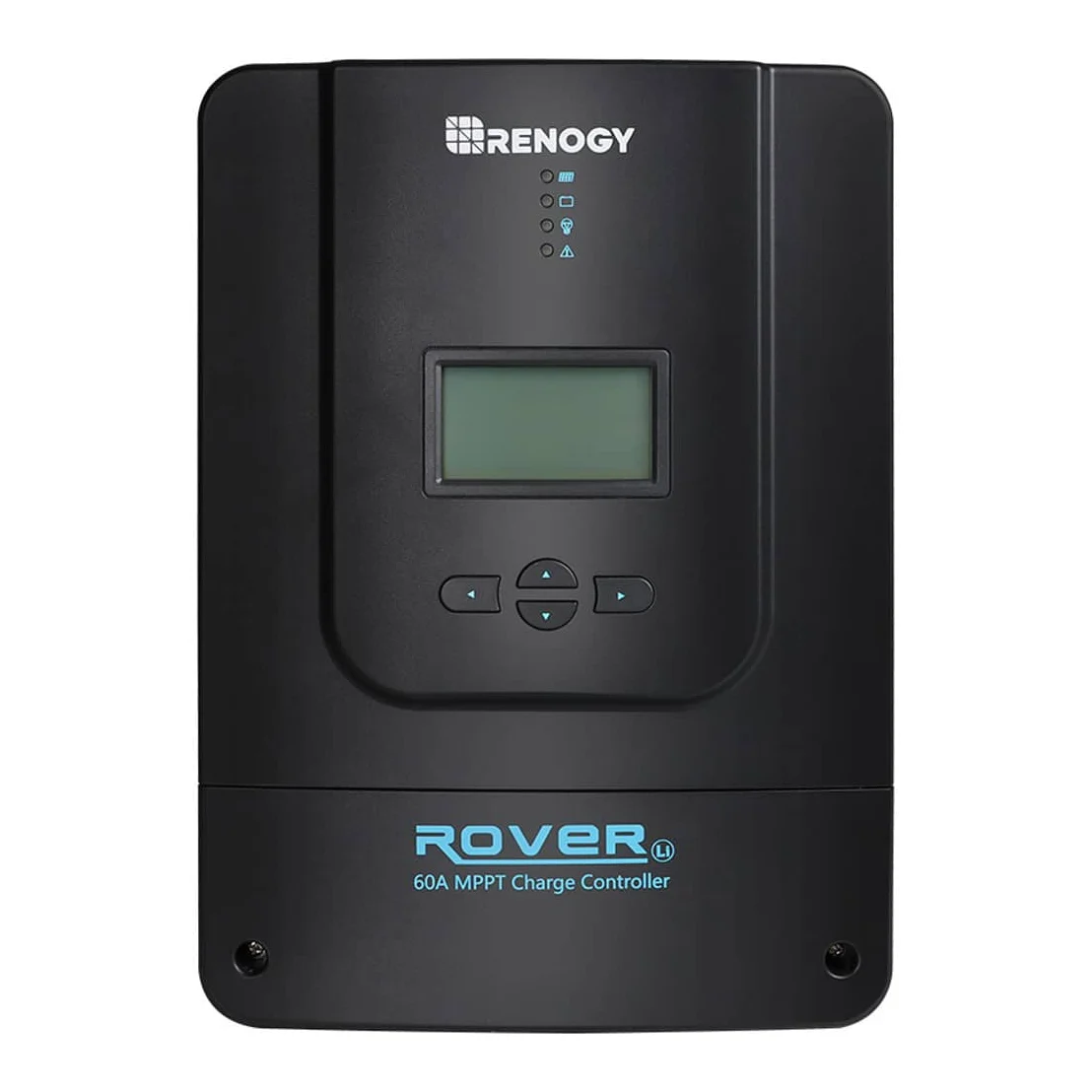
Rover Li 60A MPPT Solar Charge Controller (RNG-CTRL-RVR60)
Renogy Rover Li 60A is an MPPT solar charge controller for 12, 24, 36 and 48 V systems with automatic voltage detection and support for lead-acid and lithium batteries. It accepts up to 145 V PV open-circuit voltage and 800 W of panels at 12 V (1600 W at 24 V), and has a 20 A DC load output.
We earn a small commission on purchases through this link. It does not change what you pay and never affects ratings.
Safety notes for this component
- Fit a 75 A ANL fuse between controller and battery, wired with 6 AWG fuse and adapter cables.
- Keep loads on the DC load output at or below 20 A; connect larger loads directly to the battery.
- PV open-circuit voltage must stay below the controller's limit (145 V per manual), including the cold-weather rise in Voc of series strings.
Wiring it in
Current, fuse and cable size for the Rover Li 60A MPPT Solar Charge Controller (RNG-CTRL-RVR60) at full rated power.
Charger → battery
DC output · 12 V| Cable run (one way) | Cable | Voltage drop |
|---|---|---|
| 1 m | 25 mm² · 4 AWG | 0.7 % |
| 2 m | 25 mm² · 4 AWG | 1.4 % |
| 3 m | 25 mm² · 4 AWG | 2.1 % |
| 5 m | 35 mm² · 2 AWG | 2.6 % |
Current is the rated power divided by the nominal voltage, so a charger can come out a little above its label rating. Copper cable at 20 °C, positive and negative conductor, at most 3 % voltage drop. The cable is always rated for the fuse that protects it, and the fuse is sized at 125 % of the current. If the manufacturer manual specifies a fuse or cable, follow the manual.
Technical data
Alternatives
All chargers →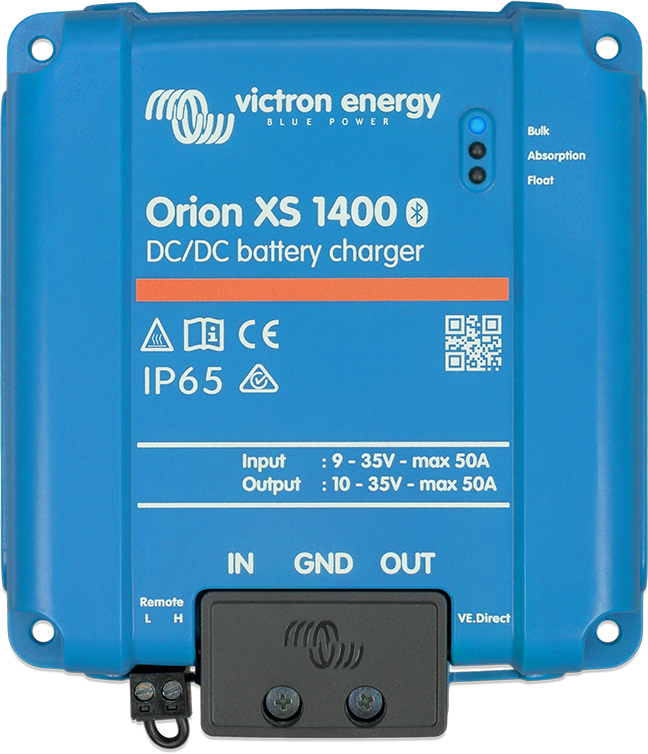
- Power
- 700 W
- Input
- 12 V DC
- Output
- 12 V DC
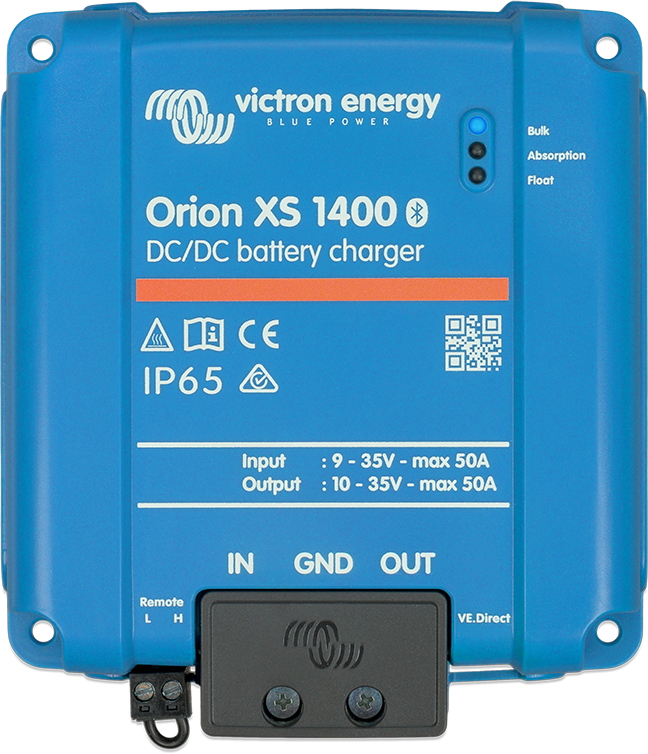
- Power
- 700 W
- Input
- 12 V DC
- Output
- 12 V DC
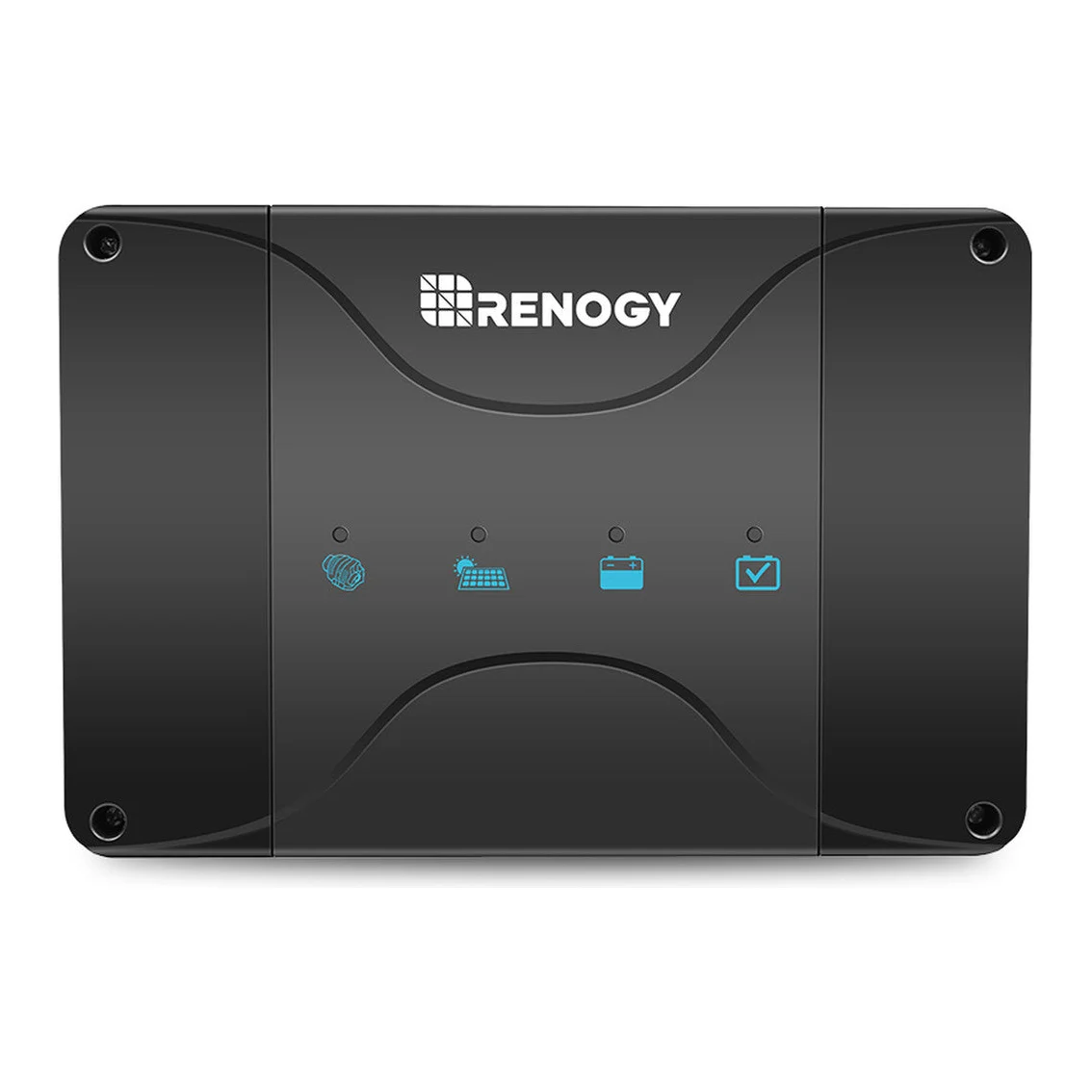
- Power
- 600 W
- Input
- 12 V DC
- Output
- 12 V DC
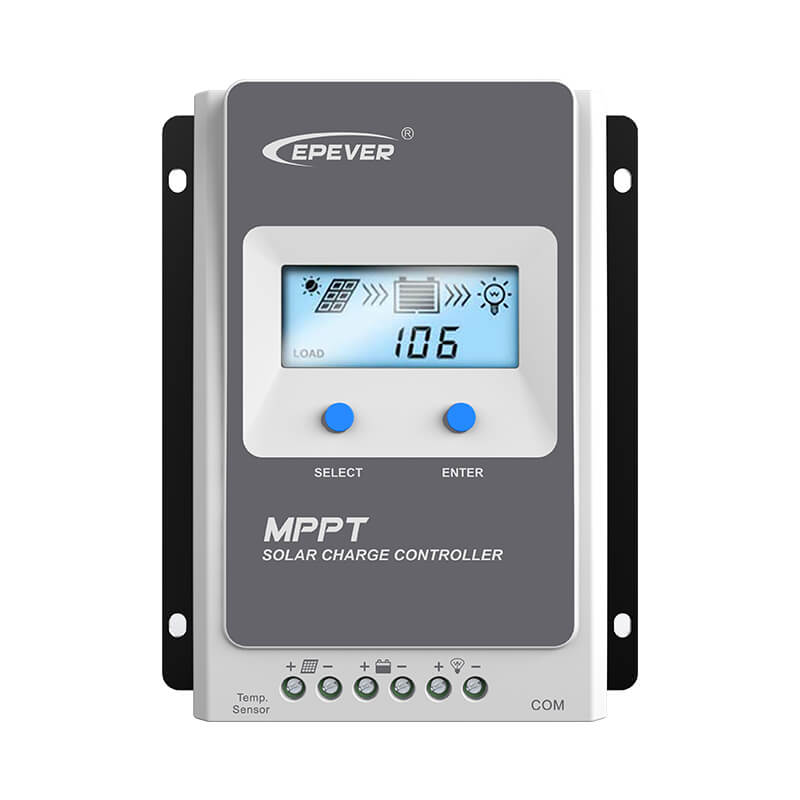
- Power
- 960 W
- PV input
- up to 100 V
- Output
- 24 V DC
Ratings & reviews
No ratings yet — be the first to rate this component.
Drop the Rover Li 60A MPPT Solar Charge Controller (RNG-CTRL-RVR60) into your wiring diagram
VoltPlan sizes the cables, picks the fuses and checks the voltages for every component you connect around it.